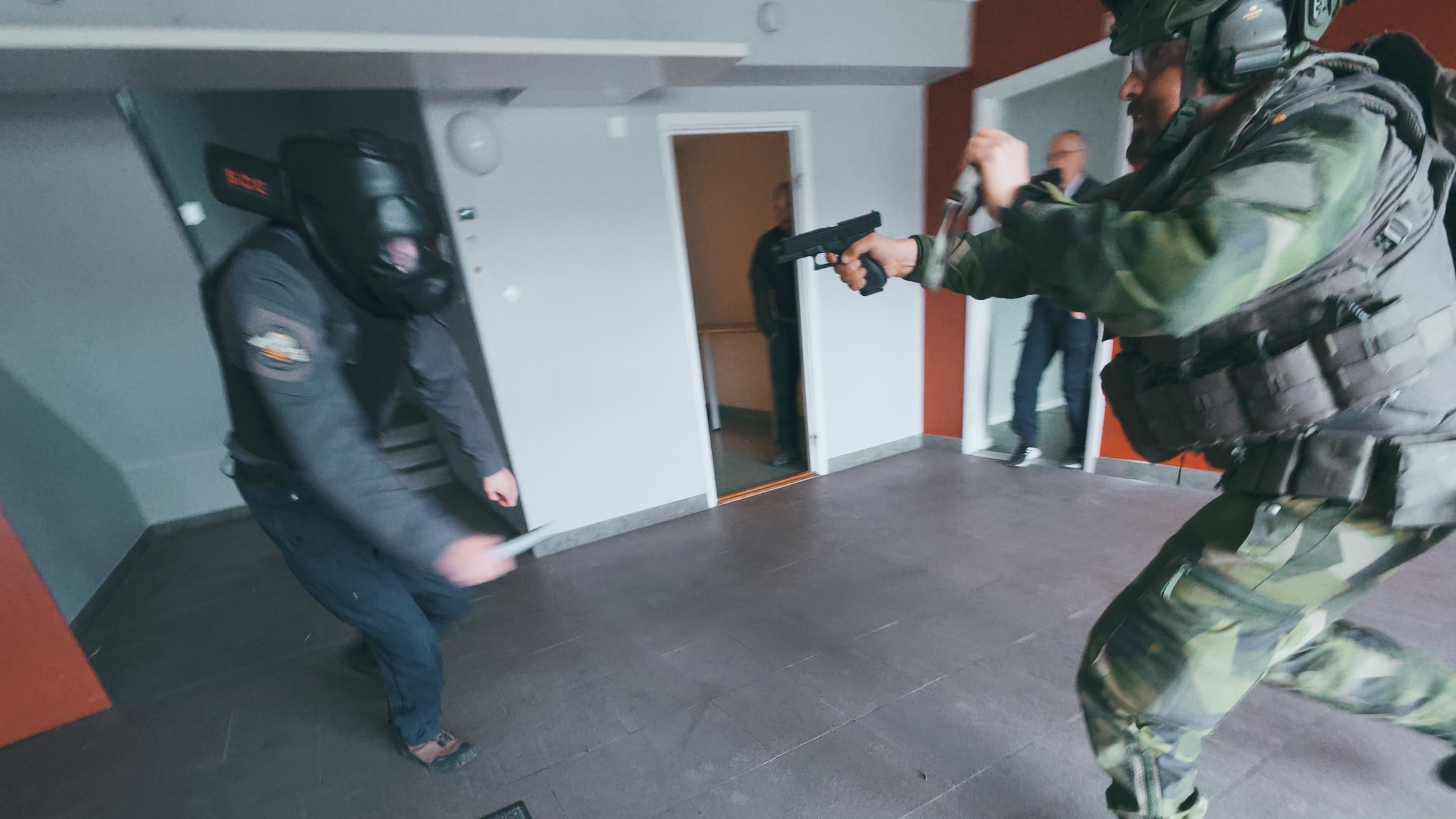


Shooting for Reality with the IPA-Defensive Tactics Group (IPA-DTG): An International Training Experience in Sweden
In April, an intensive three‑day training programme took place in Uddevalla, Sweden. The course was conducted in cooperation with ESDS, IPA DTG, IPA Swedish Section, and IBZ Gimborn, and was delivered by an international instructional team with extensive operational and training experience.
Robert Stenhouse (IPA North Wales Branch, United Kingdom), together with Slavo Gozdzik (IPA Sweden), and his son Emil Gozdzak (ESDS Head Instructor & Program Director). All three are certified ESDS Instructors, with Rob and Slavo additionally serving as IPA-DTG trainers. Alongside this role, all trainers are also qualified ESDS and Firearms Instructors, ensuring a unified and evidence‑based approach to human performance, safety, and stress‑informed training methodologies.
Participants travelled from across Europe, representing police, military, and security sectors from Poland, Spain, Sweden, and the Netherlands. Such international participation reflects the shared nature of these challenges—regardless of jurisdiction, legal framework, or culture, the human response to lethal threat remains fundamentally the same.
The objective of the course was clear: to prepare officers for life‑threatening encounters by exposing them to realistically induced stress, while maintaining safety, professionalism, and lawful decision‑making.
What Really Happens Under Lethal Threat?
When an officer is suddenly confronted with a genuine life‑threatening situation, training theory gives way to human physiology.
Imagine a close‑range encounter involving a knife or a firearm. An officer recognises an immediate threat and draws their weapon. In that instant, unexpected reactions can occur. Hands may lock into a convulsive grip. The ability to close one eye disappears. Depth perception degrades. Weapon sights blur or become unusable altogether.
Simultaneously, the body instinctively tries to survive—moving backwards, recoiling, creating distance—while the officer must still communicate, apply force proportionately, and make lawful decisions under extreme pressure.
For many officers, this is the most critical moment of their career—and one they have never truly experienced during training.
These reactions are not a failure of character or resolve. They are predictable physiological responses to acute stress. When training fails to acknowledge and address these responses, officers are placed at an unnecessary disadvantage.
The Limits of Conventional Firearms Training
Across many countries, police firearms training remains largely range‑based, conducted under calm, predictable conditions. This type of environment is essential for foundational skills such as safe weapon handling, marksmanship fundamentals, and procedural compliance.
However, static ranges rarely reflect what happens when an officer genuinely believes they may die within the next few seconds.
Under lethal stress, fine motor skills deteriorate, auditory exclusion may occur, vision narrows, and time perception compresses. Without prior exposure and understanding, officers may struggle to reconcile what they were taught with what their body demands during real confrontation.
The answer is not to abandon traditional training, but to bridge the gap between technical competence and operational reality.
Training the Officer, Not Just the Skillset
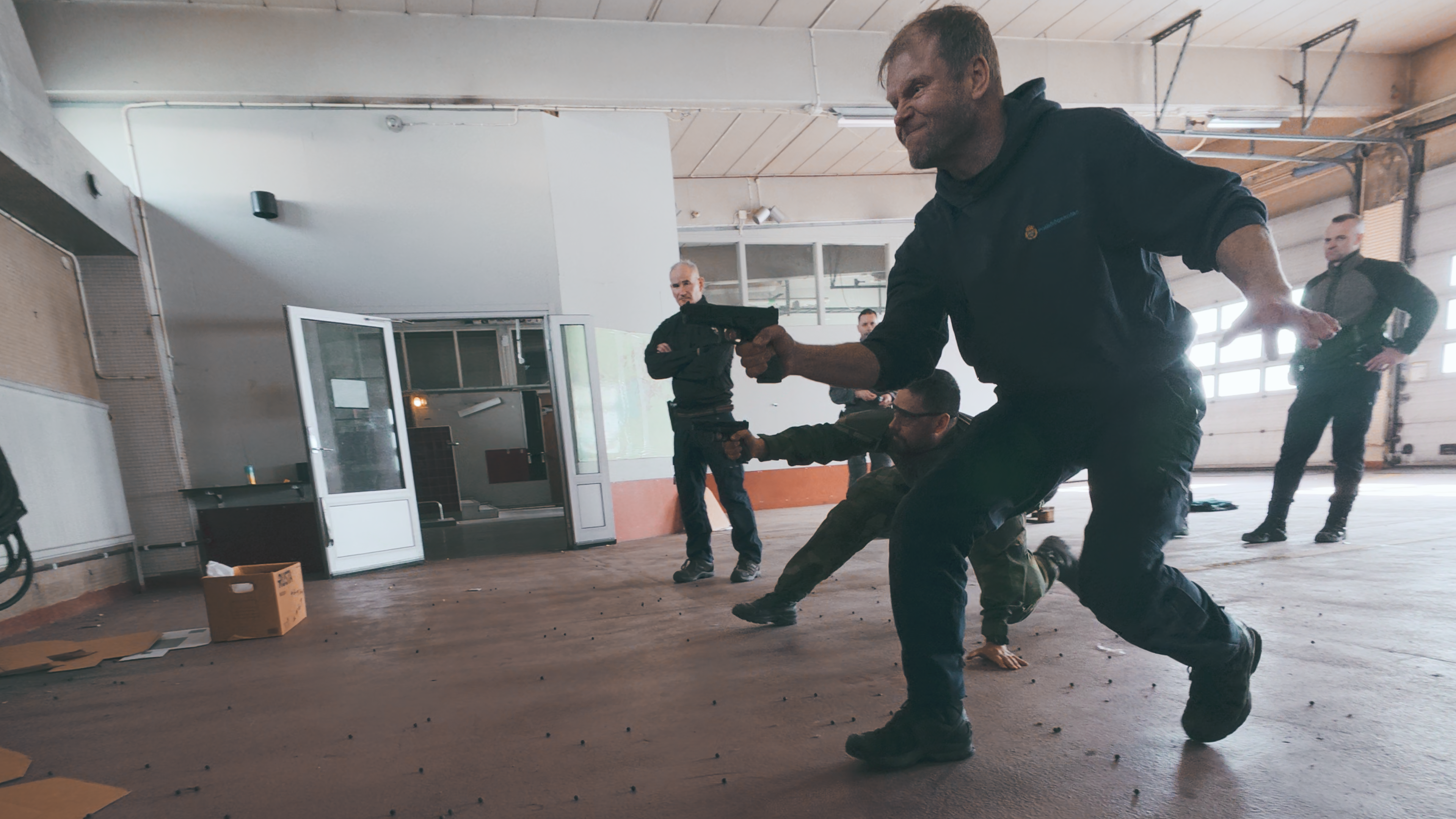
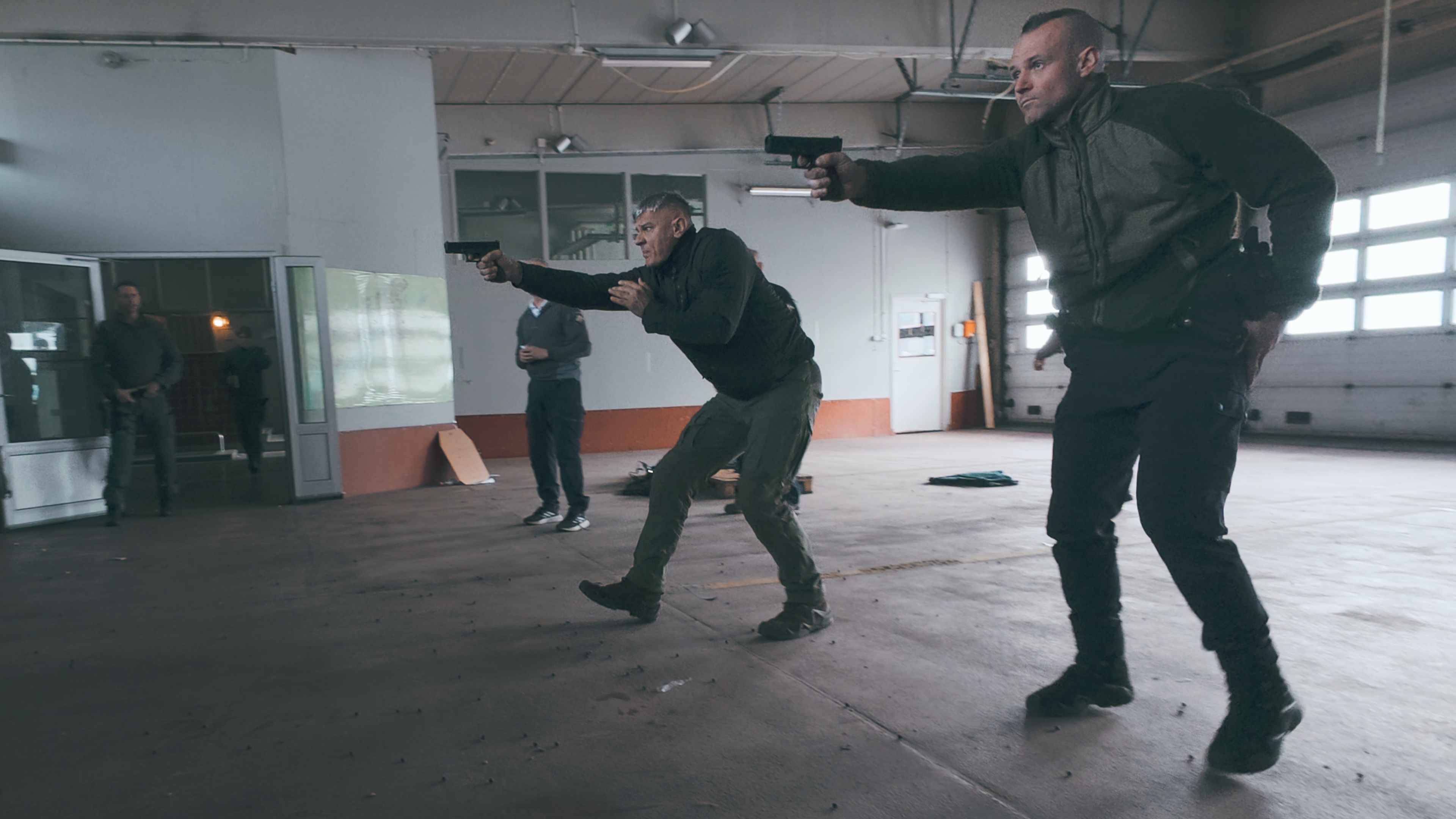
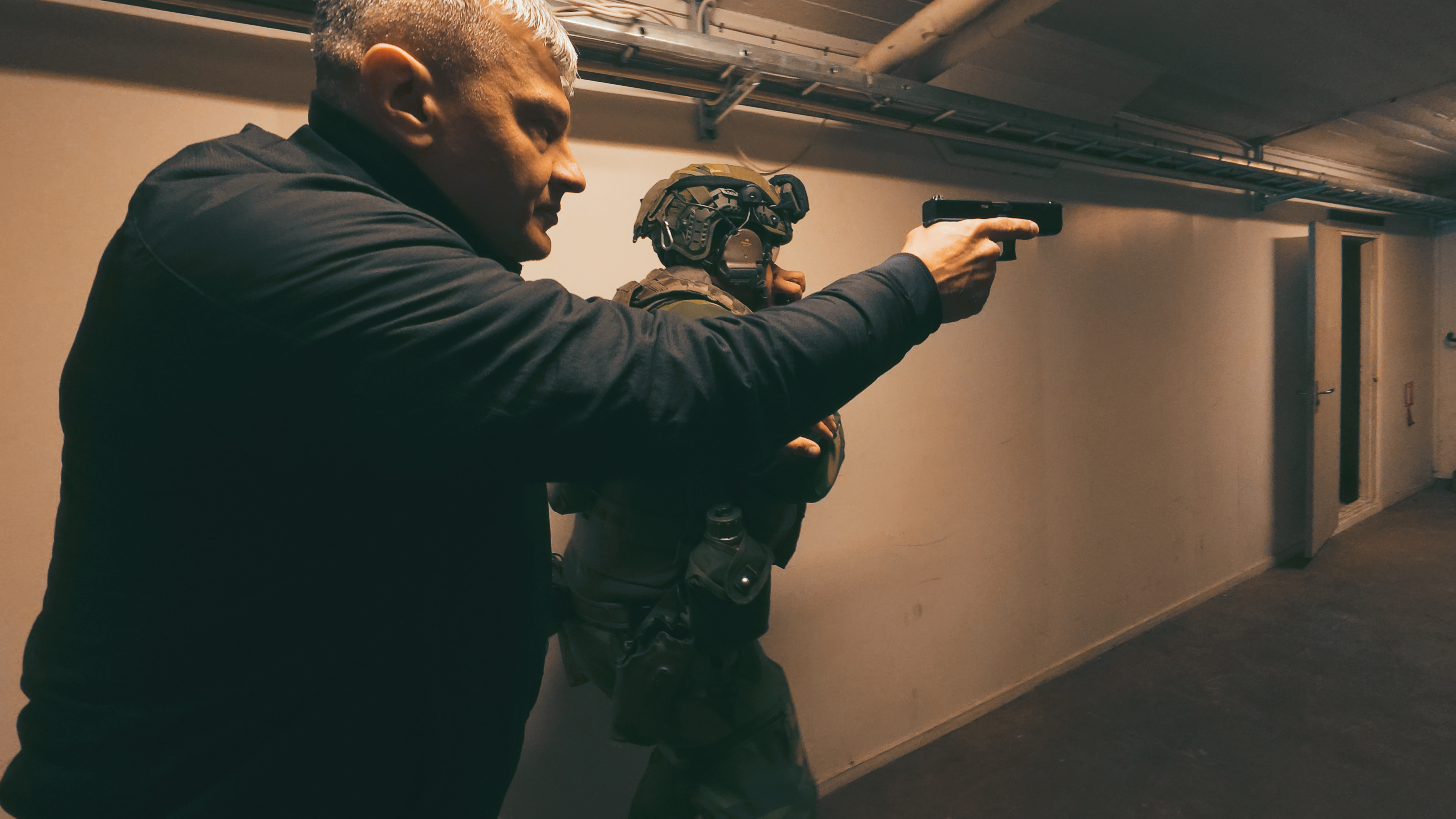
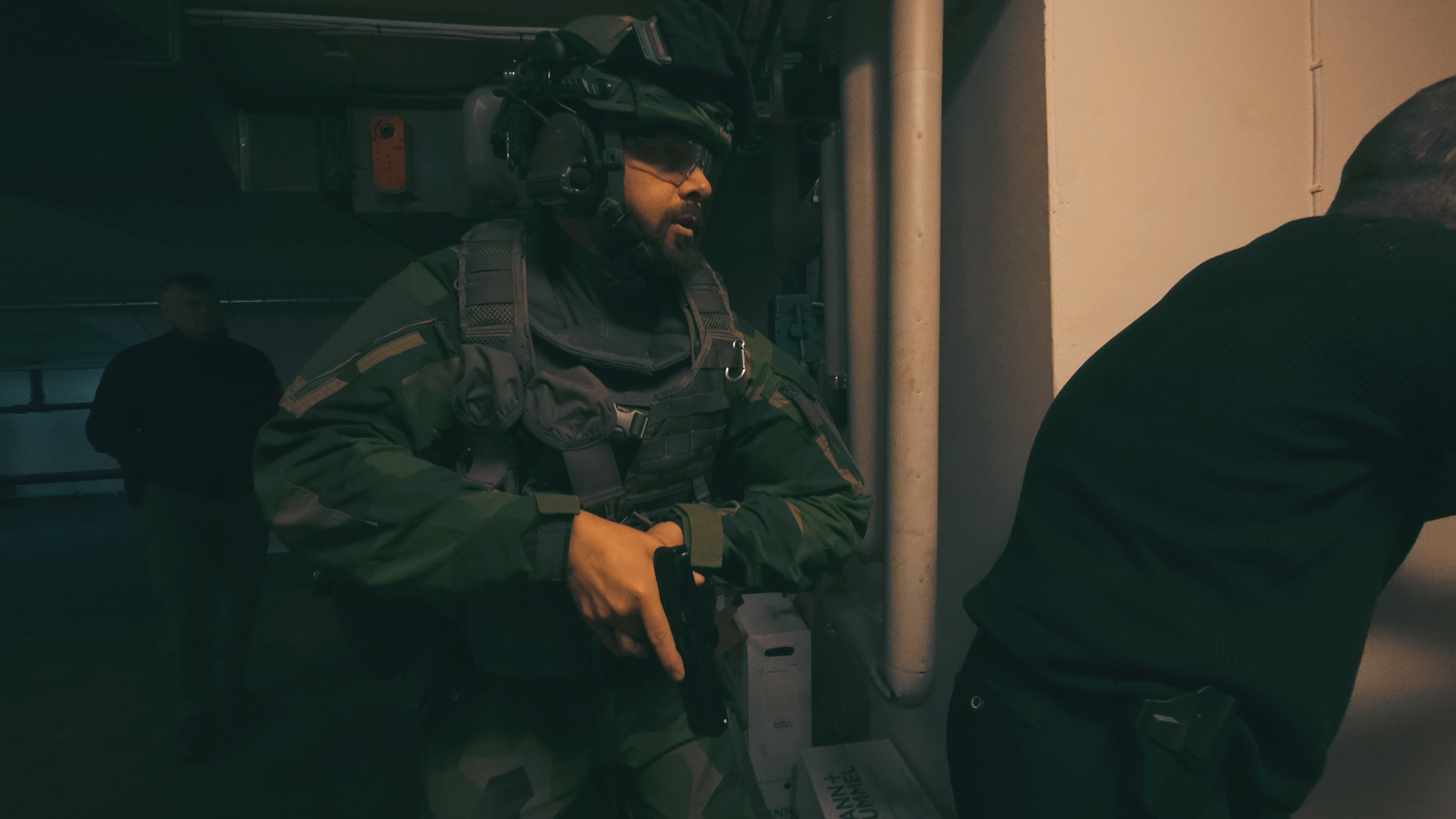
The Uddevalla programme was designed specifically to address this gap. Rather than simply discussing stress responses in theory, participants were exposed to carefully structured drills and scenarios that allowed them to experience these effects in a controlled, professional environment.
Training exercises elevated heart rate, compressed perception of time, induced instinctive reactions, and forced genuine decision‑making. Officers were required to work with gross motor skills, move dynamically, and adapt to rapidly evolving threats.
Just as importantly, participants were guided to recognise and reflect on their own psychological and physiological responses. Understanding these reactions is a critical step toward managing them effectively in real‑world policing.
Throughout the course, the emphasis remained firmly on survivability, accountability, and lawful application of force, not speed or aggression.
Force‑on‑Force Training Done Safely
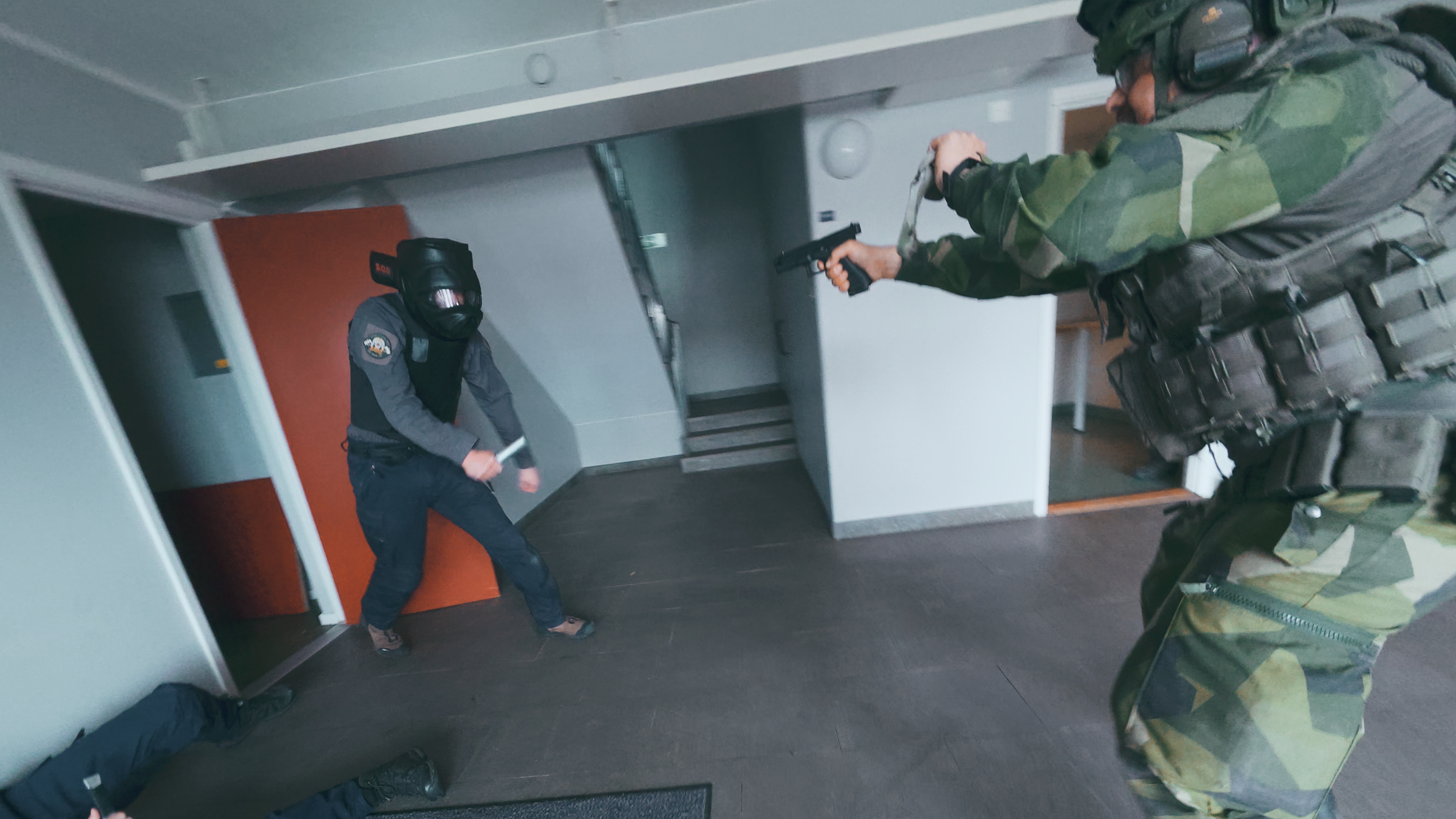
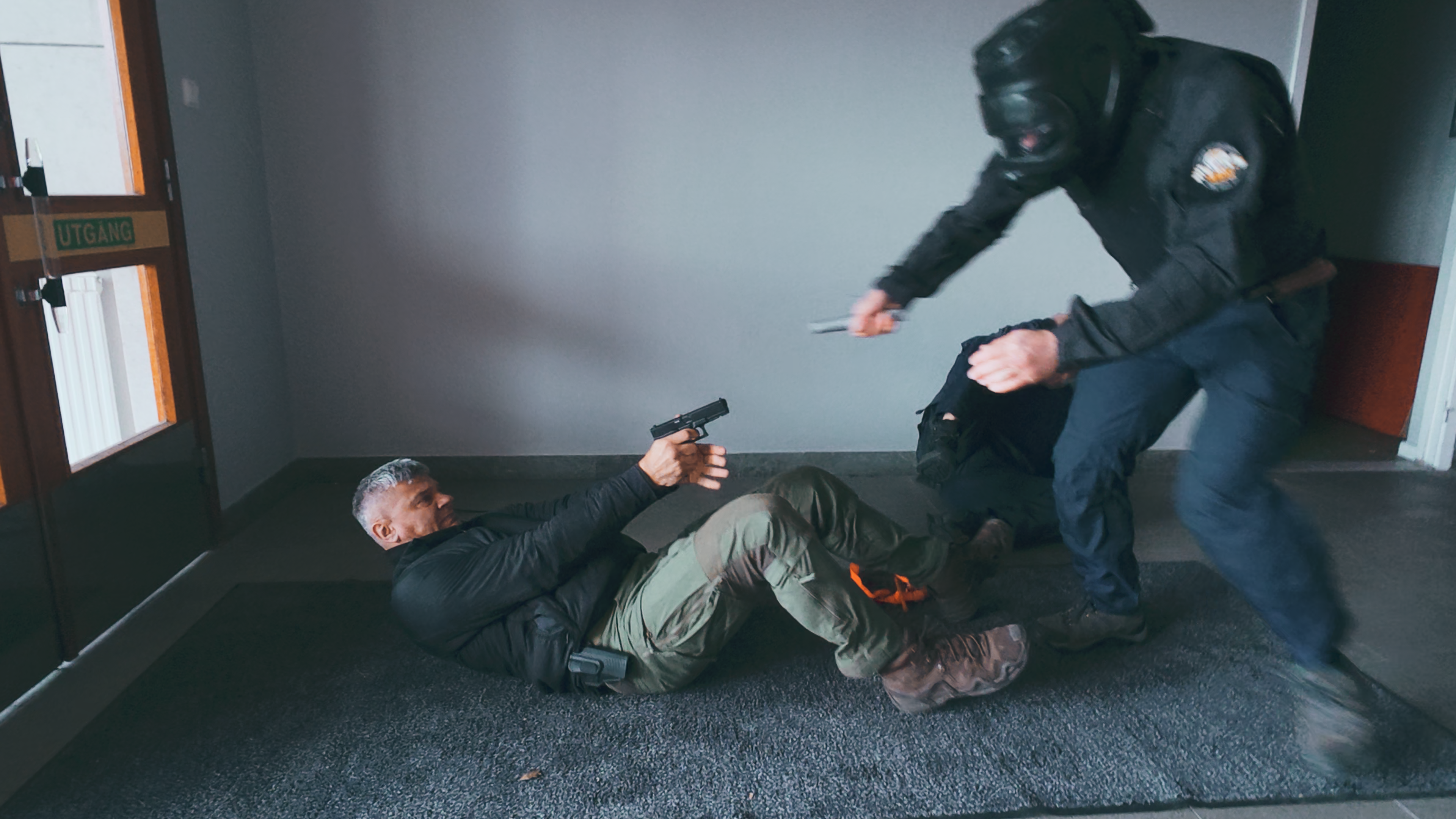
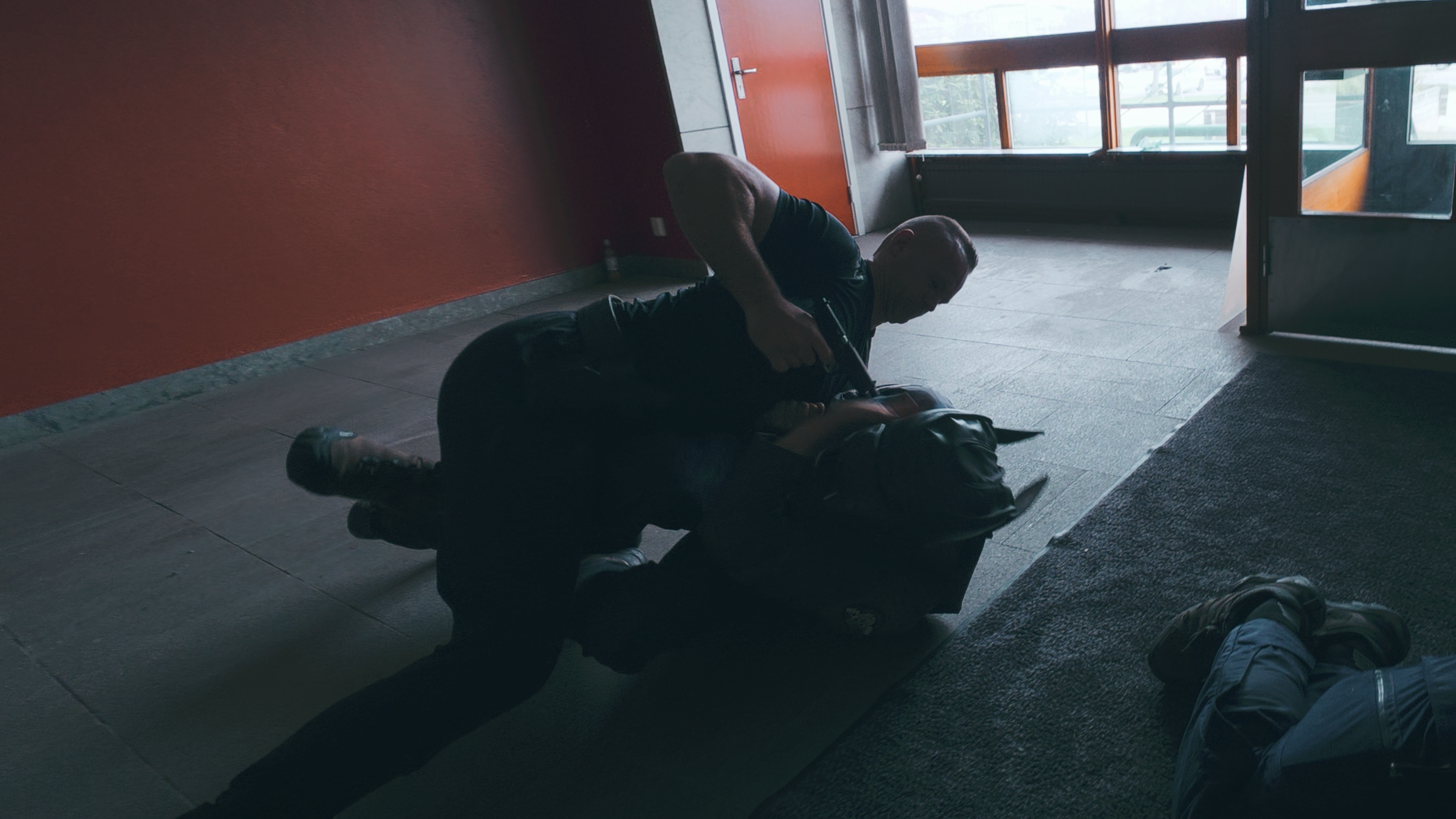
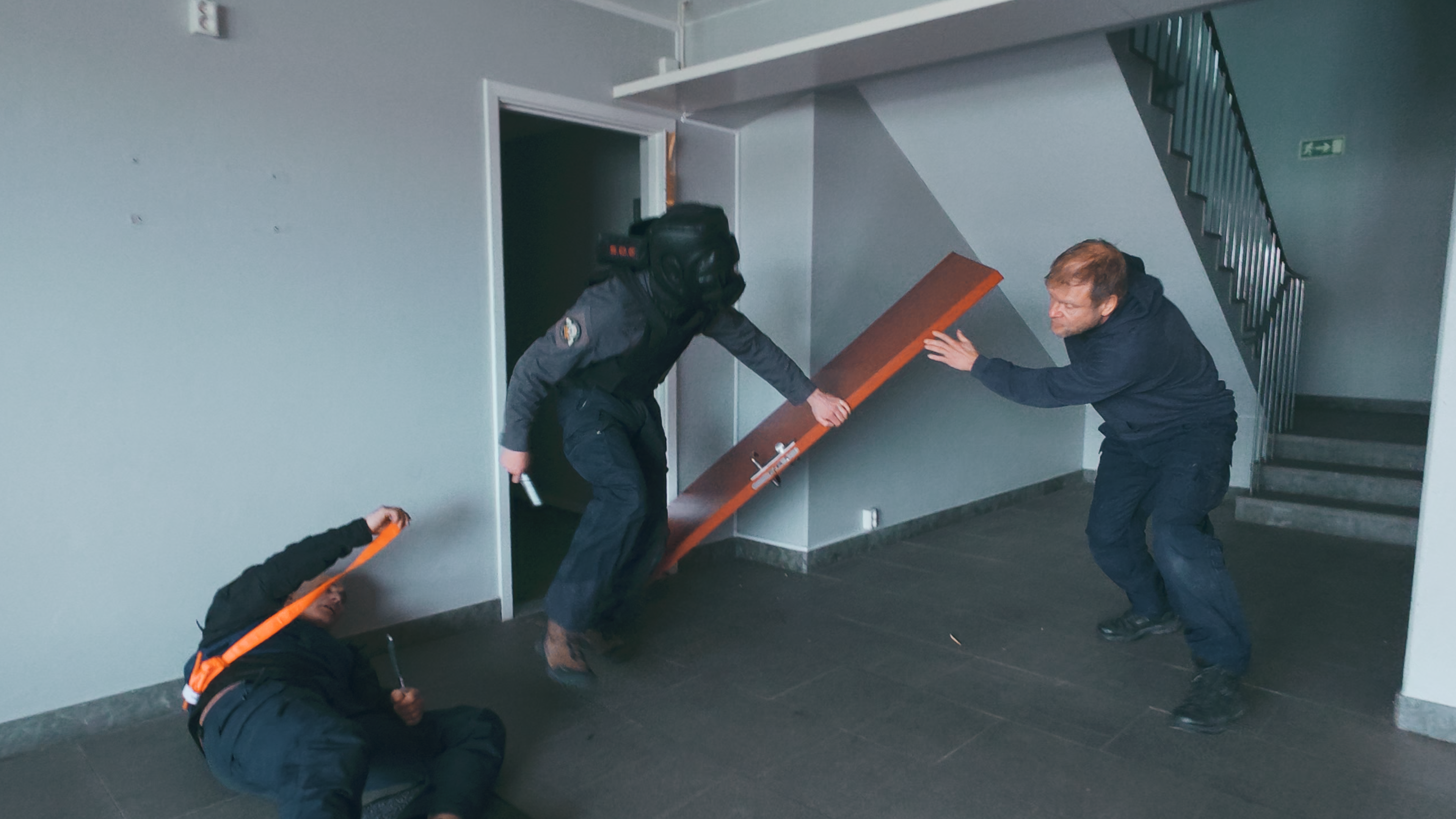
To safely achieve realistic conditions, the course utilised high‑quality Umarex Glock training systems firing rubber ball bearings rather than live ammunition. This enabled true force‑on‑force training with live role players, including scenarios involving both firearms and edged weapons.
Such training introduces uncertainty, consequence, and emotional engagement—key components often absent from traditional firearms training—while maintaining rigorous safety standards.
For many participants, this represented their first experience of genuinely immersive training that demanded equal parts technical skill, emotional control, and ethical judgement.
Professional Outcomes and Shared Learning
The outcomes were clear and encouraging. Participants left with a far deeper understanding of how acute stress affects perception, movement, and decision‑making. Many reported increased confidence in managing potentially lethal encounters involving knives or firearms and identified skills they considered directly transferable to operational policing.
Perhaps most importantly, the course reinforced that realistic, stress‑informed training enhances—not undermines—professionalism, proportionality, and public safety.
An IPA Commitment to Professional Development
As policing continues to evolve in complex and high‑risk environments, training must evolve alongside it. Preparing officers for reality does not contradict restraint or accountability—it supports them.
By sharing international experience, evidence‑based practice, and realistic training approaches, the International Police Association continues to strengthen professional policing across borders. Courses such as this demonstrate how collaboration between IPA branches, specialist groups, and training organisations can directly benefit officer safety and operational effectiveness worldwide.
If you’re interested in getting involved or would like to have a course delivered locally in force, please reach out to Rob and start the conversation Robert.stenhouse@sky.com